
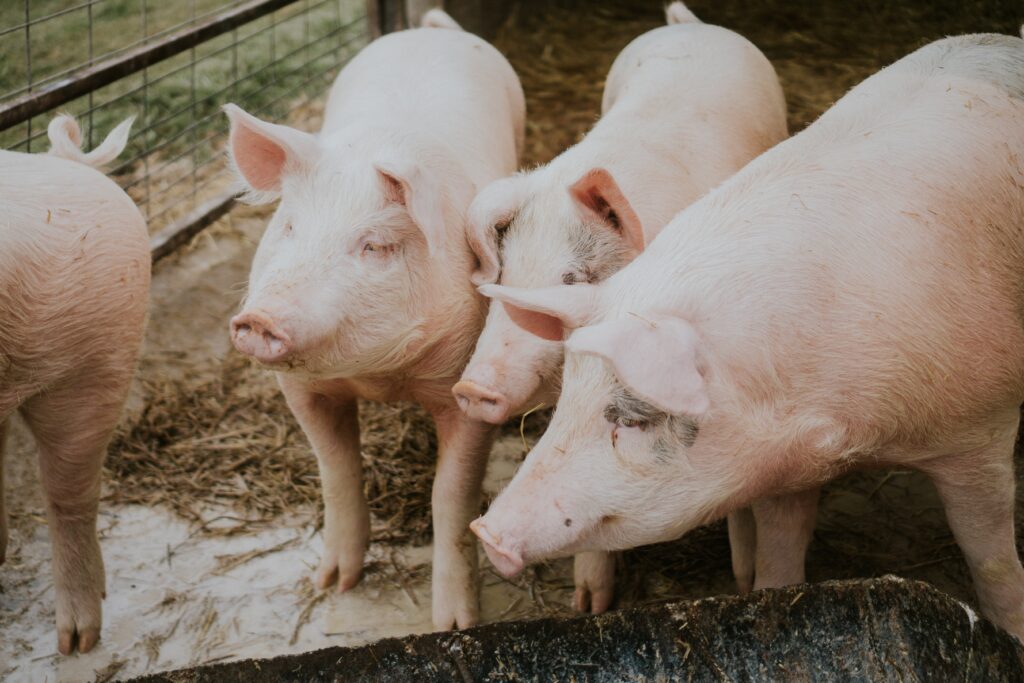
Spain’s Iberian pork meat exported worldwide represents some of the finest premium pork available in international markets. This guide is designed for food importers, distributors, restaurant owners, and gourmet food enthusiasts who want to understand what makes Spanish Iberian pork so exceptional and profitable.
We’ll explore Spain’s commanding position in the global Iberian pork trade and examine the premium quality standards that set this product apart from regular pork. You’ll also discover the key international markets driving demand for Spanish Iberian pork and learn how Spain’s advanced export processing systems ensure consistent quality delivery worldwide.
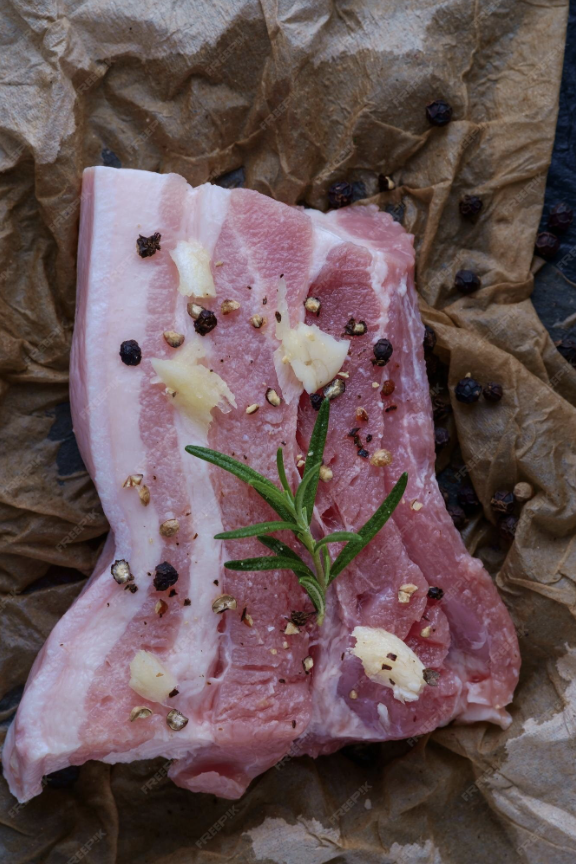
Spanish producers have built a reputation for excellence that translates into significant economic advantages, making Iberian pork one of the country’s most successful agricultural exports.
Understanding Premium Iberian Pork Quality Standards

Breed Characteristics That Define Superior Meat Quality
The Iberian pig stands apart from other breeds through its unique genetic makeup and physical traits that directly impact meat quality. These black-skinned pigs possess an extraordinary ability to infiltrate fat throughout their muscle tissue, creating the distinctive marbling that makes Iberian pork so prized. Their slower growth rate compared to commercial breeds allows for proper fat distribution and muscle development, resulting in meat with exceptional texture and flavor depth.
The breed’s natural predisposition to accumulate intramuscular fat creates meat with a buttery consistency and rich, nutty taste profile. This marbling pattern, visible as white streaks throughout the dark red meat, melts during cooking and provides the signature juiciness that distinguishes premium Iberian pork from standard varieties.
Traditional Free-Range Feeding Methods Using Acorns
Spanish producers maintain centuries-old feeding practices that elevate Iberian pork to gourmet status. The “montanera” system allows pigs to roam freely through oak forests during autumn months, consuming fallen acorns as their primary food source. This natural diet transforms the meat’s flavor profile, infusing it with subtle nutty notes that cannot be replicated through conventional feeding methods.
During the acorn season, each pig can consume up to 20 pounds of acorns daily while walking several miles through the dehesa ecosystem. This combination of exercise and acorn consumption produces meat with optimal fat composition and distinctive taste characteristics. The oleic acid content increases significantly, creating healthier fat profiles similar to those found in olive oil.
Strict Certification Requirements for Authentic Products
Spain enforces rigorous authentication standards to protect the integrity of Iberian pork exports. The certification process requires detailed documentation of the pig’s lineage, feeding history, and processing methods. Producers must prove 100% Iberian genetics for premium classifications, while crossbred animals receive separate categorizations.
Government inspectors monitor farms throughout the production cycle, verifying compliance with feeding protocols and animal welfare standards. DNA testing confirms breed purity, while chemical analysis validates the acorn-based diet through fat composition studies. Only products meeting these stringent requirements can carry official Iberian pork designations in international markets.
Grading System That Guarantees Premium Standards
The Spanish grading system categorizes Iberian pork into four distinct quality levels based on genetics and feeding methods. “Bellota” represents the highest grade, requiring 100% Iberian genetics and exclusive acorn feeding during the final fattening period. “Recebo” indicates mixed feeding with acorns and supplemental feed, while “Cebo” uses conventional feed sources.
Each grade receives specific labeling colors – black for Bellota, red for Recebo, and white for Cebo products. This visual system allows international buyers to quickly identify quality levels and make informed purchasing decisions. Export documentation must clearly specify the grade classification, ensuring transparency throughout the global supply chain.